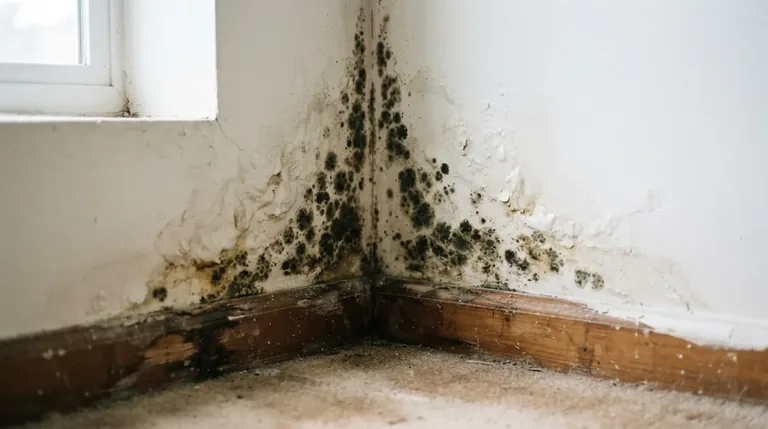
Mold After Water Damage in Round Rock, TX
In Texas, a company hired for mold remediation needs a TDLR license once the mold covers 25 contiguous square feet or more; an owner can work on their own home with fewer than 10 units without one.
Who to Call First in Round RockWhen Water Damage Turns Into a Mold Problem
Mold needs moisture to grow, and materials that stay wet are the ones at risk. FEMA guidance describes items that hold moisture as items that "can develop mold within 24 to 48 hours." That is a reason to start drying affected areas as soon as it is safe, not a countdown you can measure precisely in every case.
- FEMA guidance describes items that hold moisture as items that "can develop mold within 24 to 48 hours."
- Texas Occupations Code Chapter 1958 requires a license for mold assessment or mold remediation performed for someone else, with separate exemptions covered below.
This page covers the Texas rules that apply once mold is part of the picture — not how to identify or test for it yourself.
Texas Mold Licensing Rules
Texas Occupations Code Chapter 1958 requires a license to perform mold assessment or mold remediation for someone else. The chapter sets two separate exemptions, and they are easy to mix up, so keep them distinct when you are deciding whether a job needs a licensed company.
| Rule | What It Says | Statute | Checked |
|---|---|---|---|
| License requirement | A person generally needs a TDLR license to perform mold assessment or mold remediation | Occ. Code 1958.101 | September 2026 |
| Small-area exemption (remediation only) | No license is required for mold remediation on an area affecting less than 25 contiguous square feet | Occ. Code 1958.102(c) | September 2026 |
| Owner exemption | An owner, or the owner's managing agent or employee, can assess or remediate mold on the owner's residential property with fewer than 10 dwelling units, with no area limit, unless the agent offers mold services to the public as a business | Occ. Code 1958.102(e) | September 2026 |
| Separation of roles | A license holder may not perform both mold assessment and mold remediation on the same project | Occ. Code 1958.155(a) | September 2026 |
Checked: September 2026. In Round Rock and across Texas, hiring a company for mold remediation requires a TDLR license once the project's mold reaches 25 contiguous square feet or more. The law lets an owner work without a license on their own residential property with fewer than 10 dwelling units, regardless of area; whether that is wise for a large or contaminated area is a separate question. Licensing does not depend on whether the water came from a pipe, a storm or sewage — contamination risk is a separate issue from the licensing rule.
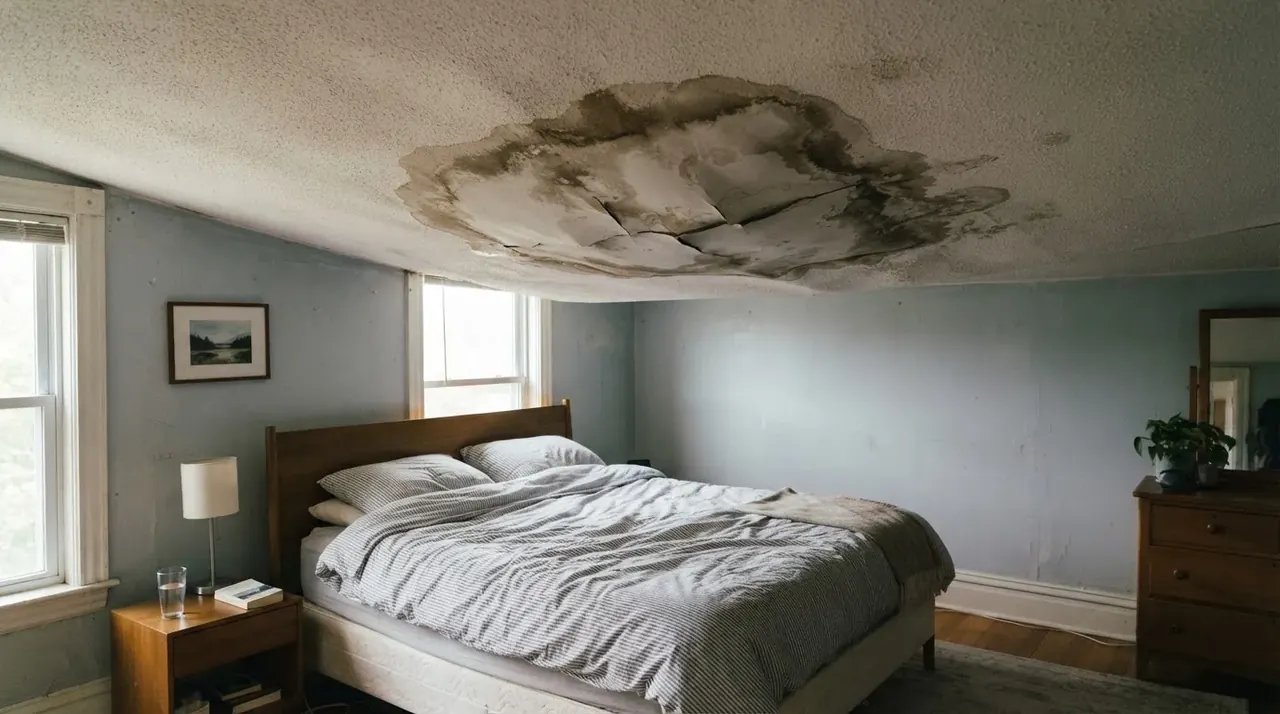
The Mold Remediation Certificate
When a licensed company completes mold remediation work, Texas law requires a certificate of mold remediation. It documents that licensed work was done; it does not by itself tell you whether the underlying moisture problem has been fixed.
- The certificate of mold remediation is due to the property owner not later than the 10th day after the remediation is completed, under §1958.154(a).
- If the owner later sells the property, certificates from the preceding five years must be provided to the buyer, under §1958.154(b).
- TDLR notification of a remediation project is due not later than the fifth day before work begins, or the next business day in an emergency, under §1958.153.
Ask any company doing licensed mold remediation on your home for a copy of this certificate once the work is done, and keep it with your other records for the house. The full text of Chapter 1958, including all of these deadlines, is on Texas Occupations Code Chapter 1958.
Is Mold Covered by Round Rock Homeowners Insurance?
In Texas, mold is usually excluded from a standard homeowners policy except when it results from a covered loss. Mold on the item damaged by a covered event, like a burst pipe, may be covered as part of that claim; separate mold cleanup or testing after the item is removed is usually not covered without added coverage.
- Sudden and accidental water discharge is usually covered under most standard policies.
- Continuous leakage, seepage and flood damage are usually excluded, and mold connected to those causes generally follows the same exclusion.
- Some endorsements add mold coverage set at 25%, 50% or 100% of the dwelling coverage limit, according to endorsement forms the Texas Department of Insurance has published — there is no single standard sublimit.
Renters: your renters policy covers your belongings, not the building itself. Tell your landlord in writing about water damage or suspected mold as soon as you notice it.
This page is general information, not insurance advice. Your specific policy wording, and any endorsement you have purchased, controls what is actually covered.
The Texas Department of Insurance's guide to water damage and mold coverage walks through the same distinctions in more detail.
If You Hire a Provider for Mold Work
Before work starts, confirm the company holds the right TDLR mold license for the role it is performing. The under-25-contiguous-square-foot exemption applies to remediation only — mold assessment always requires a license when performed for someone else, and a license holder may not perform both roles on the same project.
- Ask the provider for proof of insurance and any trade license the job requires.
- Ask who will provide the certificate of mold remediation once the job is finished, and when.
For the rest of the cleanup — drying, repairs and who to call for the underlying leak — see who to call first for water damage in Round Rock. TDLR's own mold licensing FAQ, at tdlr.texas.gov, covers mold licensing questions in more detail.
If That Did Not Work
If a mold problem keeps coming back, or you are not sure whether the job you had done required a license, you have a few options. None of them will necessarily be quick.
- Ask the company that did the work for its TDLR license number and the certificate of mold remediation, if one was required.
- Contact TDLR directly if you believe unlicensed mold remediation was performed on a project that needed a license.
- If the underlying leak was never fully fixed, mold is likely to return regardless of how thorough the mold cleanup was — see our ceiling leak and water damage guide if the source is above a ceiling.
For the first steps on any new water event, start with our Round Rock water damage overview, or reach us through our contact page with a question about this guide.
Frequently Asked Questions
How soon can mold start growing after water damage?
Do I need a licensed contractor for a small mold job in my house?
Can the same company do both the mold assessment and the remediation on my project?
What is the certificate of mold remediation, and when do I get it?
Does my homeowners policy cover mold cleanup?
What if I am selling a house that had mold remediation work done?
Water in your home right now?
See who to call first in Round Rock, how to reach your water provider, and how to check your flood zone.
Who to Call First in Round Rock